
What does scaur mean?
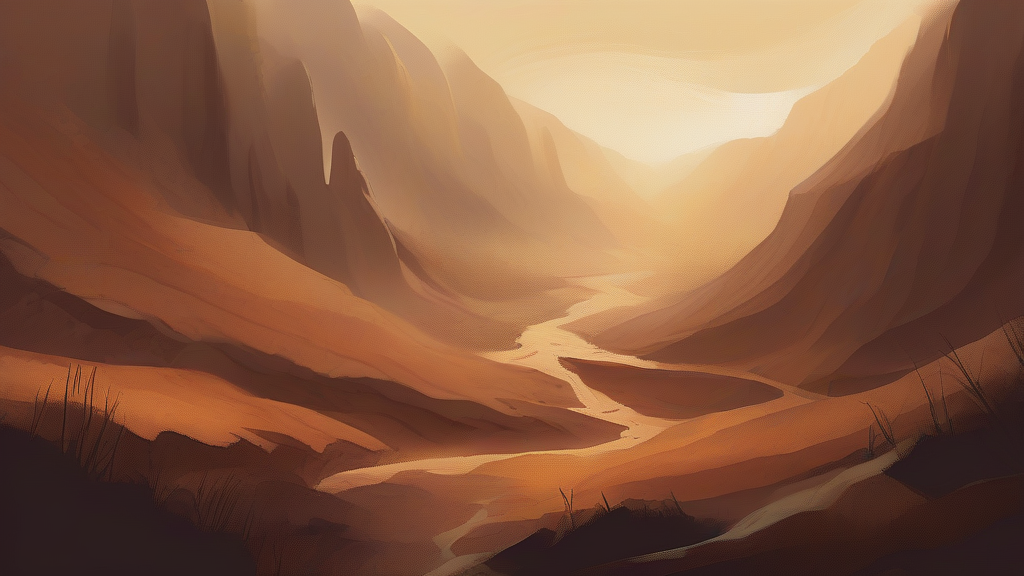
Scaur is a chiefly Scottish noun for a cliff, crag, or steep rocky bank. Its short, unusual spelling and Scots pronunciation make it feel like a piece of local geography, but the word has a precise historical use: it names an abrupt face of rock, often beside a coast or falling into a valley. In literature, travellers may climb around a scaur or shelter beneath one, and it also appears in Scottish place-names. Outside Scotland it is uncommon and generally sounds literary, archaic, or topographical rather than part of ordinary modern standard English. Although scaur resembles the English scar, a familiar word for a mark left on skin, its established sense here is terrain rather than injury. It should also not be confused with scour, which can mean to rub hard, clean, or search. Scaur is especially useful to readers of Scottish writing because it preserves a distinctly regional landscape vocabulary while remaining transparent in meaning: a steep or precipitous rock formation.
nounA cliff, crag, or steep rocky slope, especially a precipitous rock face.
- A cliff, crag, or steep rocky slope, especially a precipitous rock face.
"The lighthouse stands on a low shelf below the scaur."
"A narrow path climbed around the scaur above the inlet."
"The old map marked the dangerous ground with the word scaur."
The plural is grammatically regular but rarely encountered because the noun itself is uncommon.
"The scaurs were too steep for the cattle to cross safely."
Scaur is the Scottish cliff hiding in plain sight: a steep, rocky face with a name rooted in the language of the North Sea.
Reviewed by Deb Chak, Editor. AI-assisted content curated by RJS Tech Solutions LLP.
Etymology of scaur
Scaur is a Scots form of scar in the sense of a cliff or crag. Its ultimate source is Old Norse skar, meaning rock or cliff, a root also reflected in skerry, the name of a small rocky island or reef. The Scots word developed within the vocabulary of exposed coastal and northern landscapes.
How scaur is actually used
The word is chiefly Scottish and survives in regional speech, literature, and place-names. It is uncommon in modern standard English and often has a literary or topographical tone.
Easily confused with scaur
A scar is a mark left on skin or an object, whereas a scaur is a cliff or steep rocky slope.
A scaur is a rocky feature, while a scour is an act of rubbing, cleaning, or searching.