
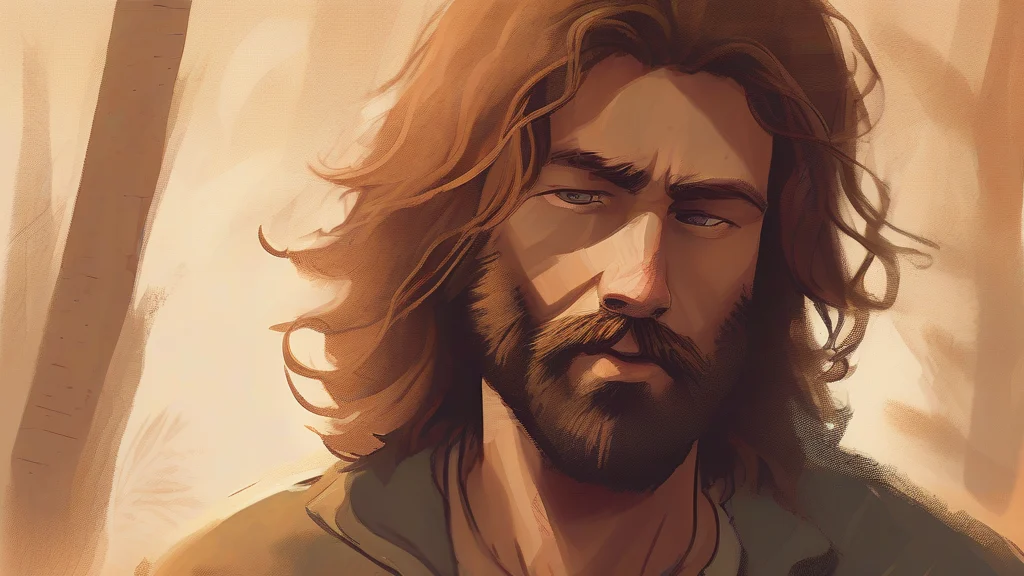
What does shaggy mean?
Shaggy describes hair, fur, vegetation, or an overall appearance that is long, thick, uneven, and somewhat untidy. It is commonly used for a dog with a tousled coat, a person with unruly hair, or a garden overgrown with grass. The word often conveys a natural or deliberately informal look rather than merely poor grooming, although it can also imply that something needs tidying. In everyday speech, “shaggy” may suggest a carefree, rugged, or eccentric appearance. Its vivid descriptive force makes it more specific than a general term such as “messy,” since it focuses especially on abundant hair, fibers, or vegetation that has not been cut or arranged.
adjectiveHaving hair, fur, or other fibers that are long, thick, and unevenly arranged. Also, having an untidy or overgrown appearance.
- Having long, thick, unevenly arranged hair or fur.
- Having an untidy or overgrown appearance.
- Covered with long, coarse, uneven vegetation, such as grass.
"A shaggy dog bounded through the garden, trailing dust behind it."
"He ran his fingers through his shaggy hair as he searched for the notebook."
"The path was hidden by shaggy grass that brushed against her boots."
Shaggy describes the distinctive look of a coat that has grown wild rather than merely being untidy.
Reviewed by Deb Chak, Editor. AI-assisted content curated by RJS Tech Solutions LLP.
Etymology of shaggy
Shaggy developed in the early 17th century from the noun and adjective shag, an older word for long, coarse hair or a shaggy coat. The suffix -y formed an adjective indicating the presence or character of shaggy material. Shag itself has roots in an Old English term associated with rough hair, and the word is related to other Germanic forms describing thick or coarse hair.
Related word forms
How shaggy is actually used
The word is usually descriptive and informal or literary rather than technical. It can suggest untidiness, naturalness, or an intentionally informal appearance, depending on context.
Easily confused with shaggy
Shaggy usually describes hair, fur, or an overgrown appearance, whereas shabby more often describes clothing or objects that are worn, faded, or in poor condition.
Ragged describes something torn or frayed, especially clothing, while shaggy describes long, thick, uneven hair or fibers.