
What does wringer mean?
Wringer is chiefly a noun for a device that squeezes water from laundry by pressing the fabric between rollers. Operated by hand or powered, wringers once made washing at home much more labor-intensive, and the familiar image of damp sheets being fed through a roller wringer has largely faded as automatic washing machines became standard. The word also survives in a strongly figurative sense: “through the wringer” means undergoing a punishing, stressful, or demanding process. A wringer can rarely denote a person who wrings, though this agent-noun sense is largely historical. Its sound makes the word memorable, while its history links everyday laundry with one of English’s most vivid metaphors for hardship. Although the machine is no longer a household necessity, “wringer” remains immediately understandable and useful in both literal and figurative language.
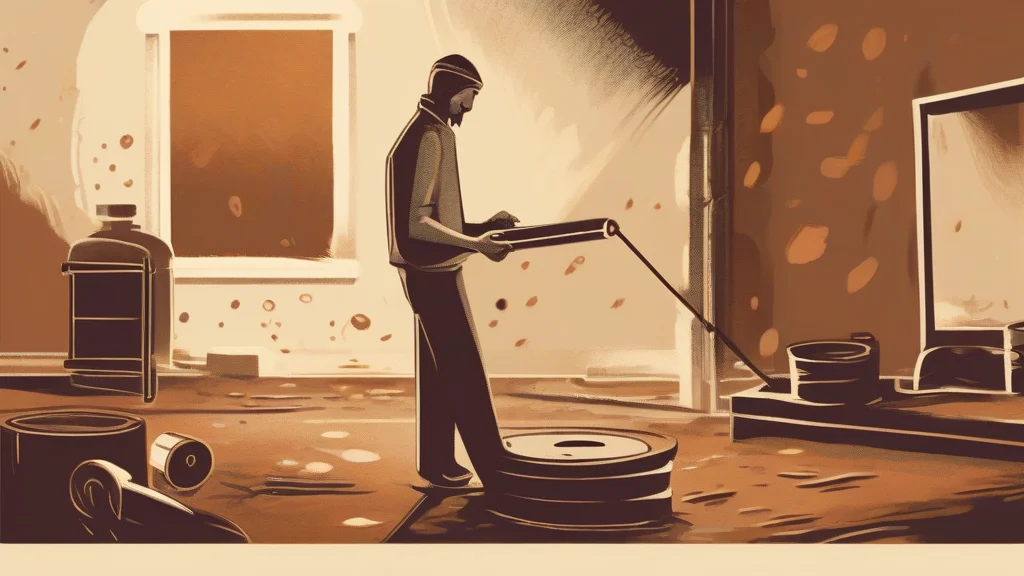
nounA wringer is a device that squeezes water from fabric by pressing it between rollers, traditionally used for washing clothes. Less commonly, it can mean a person who wrings something.
- A device with rollers or a pressing mechanism used to squeeze water from laundry.
- A harsh, demanding, or punishing experience, especially in the expression “through the wringer.”
- A person who wrings something; rare and largely historical.
"She fed the damp sheets through the wringer before hanging them to dry."
"The wringer freed the rainwater from the laundry before the clothes went on the line."
"The new recruits were put through the wringer during their first week."
Used for multiple wringing devices and, rarely, multiple people who wring; the idiom “through the wringer” does not vary this way.
"The old wringers stood beside the stone sink in the washhouse."
Modern washing machines made the wringer obsolete, but “through the wringer” kept the word alive as a vivid shorthand for a grueling ordeal.
Reviewed by Deb Chak, Editor. AI-assisted content curated by RJS Tech Solutions LLP.
Etymology of wringer
Wringer is formed from wring with the suffix -er. Wring comes from Old English wringan, meaning “to twist” or “squeeze,” and is cognate with Dutch wringen and German wringen. The same Germanic root is reflected in related English forms such as wrangle and wrinkle.
How wringer is actually used
The appliance sense is neutral but somewhat old-fashioned, while the figurative sense is familiar and informal. The rare sense meaning a person who wrings is chiefly literary or historical.
Easily confused with wringer
A winger is a player positioned on the wing of a team, whereas a wringer is a device that presses water from fabric.