What does wuthering mean?
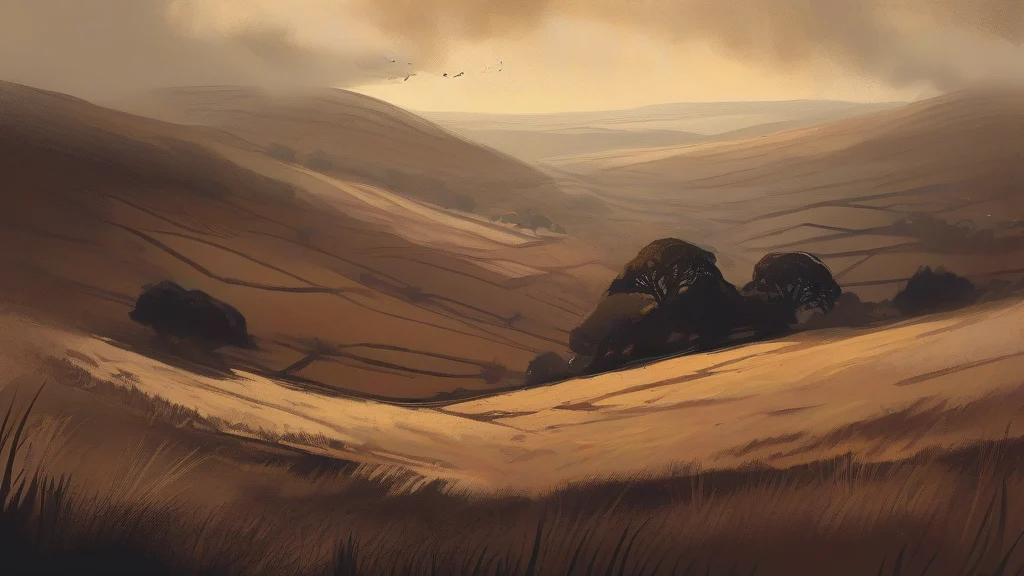
Wuthering is an adjective that describes strong, harsh winds, often associated with the Yorkshire moors. It is characterized by stormy and turbulent weather conditions, making it a useful word to describe the rugged and wild landscape of the moors. The word is often used in literature and poetry to evoke a sense of drama and intensity. Wuthering is closely tied to the region and is often used to describe the weather conditions in Emily Brontë's novel 'Wuthering Heights'. The word's connection to the moors and the novel has made it a popular choice for describing harsh weather conditions.
adjectiveRelating to or characterized by strong, harsh winds, especially in the Yorkshire moors.
- Characterized by strong, harsh winds.
- Relating to the Yorkshire moors.
"The wuthering winds howled across the desolate moor, making it difficult to walk."
"The wuthering winds made it difficult to walk on the moor."
"The novel 'Wuthering Heights' is set in the Yorkshire moors."
Reviewed by Deb Chak, Editor. AI-assisted content curated by RJS Tech Solutions LLP.
Etymology of wuthering
The word 'wuthering' is believed to have originated from the Old English word 'wuther', which means 'to make a noise like thunder' or 'to roar'. It is also related to the word 'weather', which comes from the Old English word 'wæther', meaning 'weather, storm, or wind'. The word 'wuthering' has been used in the English language since the 18th century to describe the harsh weather conditions in the Yorkshire moors.
How wuthering is actually used
Often used to describe the harsh weather conditions in the Yorkshire moors, especially in literature and poetry.