
What does billfold mean?
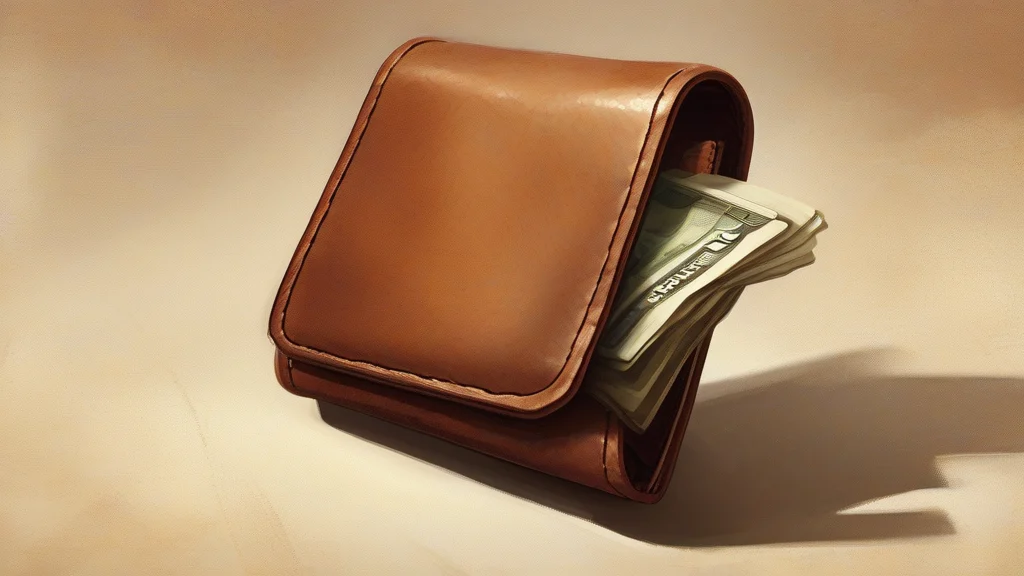
A billfold is a small folding case, most often made of leather, designed to hold paper money, credit cards, identification, and other flat personal items. It is essentially the American word for what British English calls a wallet, though within the United States the two terms are used interchangeably by many speakers. The name is transparently descriptive — a fold for bills — reflecting the straightforward word formation typical of nineteenth-century American English, when the term arose. In everyday use, a billfold appears in ordinary transactions and routines: pulling one out to pay, losing one, or finding one tucked in a coat pocket. The word can carry a slightly traditional flavor, suggesting classic leather craftsmanship rather than minimalist modern accessories. For learners of American English, billfold is a useful regional variant to recognize, even if wallet remains the more universally understood choice.
nounA small folding case, typically of leather, used for carrying paper money, cards, and identification documents; a wallet.
- A folding case, usually of leather, for carrying banknotes, credit cards, and identification.
"He pulled a crumpled receipt from his billfold to check the date."
"She tucked the photograph into her billfold where she'd see it every day."
"The detective found an empty billfold discarded behind the seat."
Regular plural formed with -s; commonly seen in retail contexts describing merchandise.
"The shop displayed a row of hand-stitched billfolds near the register."
The word tells you exactly what it does: it's a 'fold' that holds your 'bills' — plain-spoken American English at its most literal.
Reviewed by Deb Chak, Editor. AI-assisted content curated by RJS Tech Solutions LLP.
Etymology of billfold
Billfold is a compound of 'bill', meaning a paper note or statement of money owed, and 'fold', referring to its hinged construction. The element 'bill' traces back through Anglo-Norman and medieval Latin 'billa' (a written document or list), ultimately related to Latin 'bulla' (a sealed document). The compound emerged in nineteenth-century American English to describe the then-new style of wallet that folded over on itself to enclose banknotes.
How billfold is actually used
Primarily American usage; British speakers almost always say 'wallet'. The term carries a slightly old-fashioned or traditional connotation for some speakers, evoking leather goods rather than modern slim card holders.
Easily confused with billfold
A billfold specifically refers to the folding type of wallet and is the more common American term, while 'wallet' is the general term used in both British and American English.