
What does doby mean?
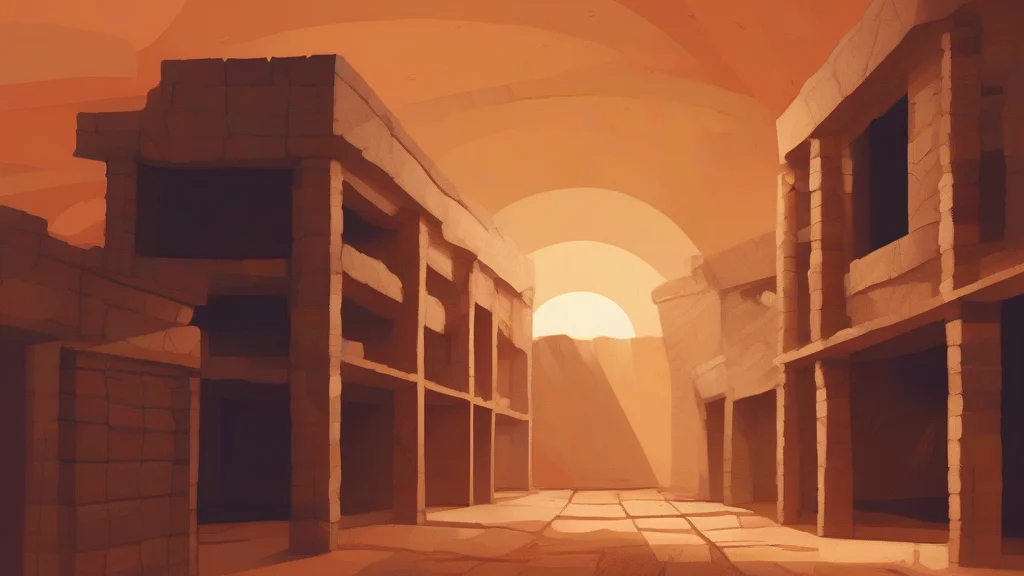
Doby is a dialectal variant of adobe, referring to the heavy clay or mud traditionally used to make sun-dried building bricks. The word arises from folk pronunciation of Spanish-derived adobe, and it survives mainly in regional American speech — especially the Southwest and rural communities where adobe construction was part of everyday life. Someone might speak of mixing doby, treading it with water, or molding it into bricks to build a wall or homestead. Because it is nonstandard, doby appears rarely in formal writing; editors and dictionaries treat adobe as the proper form, while doby preserves a distinctly vernacular, old-fashioned character. It is useful chiefly to writers seeking authentic regional color or to readers encountering it in historical accounts of frontier architecture, where doby houses and doby bricks were common features of the landscape.
nounDoby is a dialectal term for adobe — sun-dried clay or mud used as a building material, or the earth itself from which such bricks are made.
- Sun-dried clay or mud used as a building material; adobe.
- The earth or soil from which such bricks are made (dialectal).
"The old ranch house was built from doby bricks that had stood for over a century."
"They mixed the doby by hand, treading water into the clay before molding it into bricks."
"Rain softened the doby walls of the old homestead until they began to crumble."
Rarely pluralized; when used, it typically refers to individual doby bricks or quantities of the material.
"The yard was stacked with fresh dobies drying in the sun."
Doby is what happens when 'adobe' gets said fast enough by enough cowboys that dictionaries eventually give up and write it down.
Reviewed by Deb Chak, Editor. AI-assisted content curated by RJS Tech Solutions LLP.
Etymology of doby
Doby is an altered, folk pronunciation of adobe, which entered English in the mid-eighteenth century from Spanish adobe, itself borrowed from Arabic al-ṭūb ('the brick'), ultimately from Egyptian Coptic tb(e) ('brick'). The variant doby arose through assimilation of the initial unstressed vowel in American folk speech and is recorded chiefly in Southwestern US dialect. Its only close relative in modern English is adobe itself.
How doby is actually used
Doby is informal and regional — heard chiefly in the American Southwest and rural speech, often in the form 'dobie'. In standard writing, 'adobe' is preferred; doby carries a folksy, vernacular flavor rather than technical use.
Easily confused with doby
A dobby is a device in weaving that controls the warp threads (and gives its name to dobby cloth), whereas doby refers to adobe clay or mud.
Adobe is the standard word for the same material; doby is merely a folk/dialectal pronunciation of it.