
What does jiving mean?
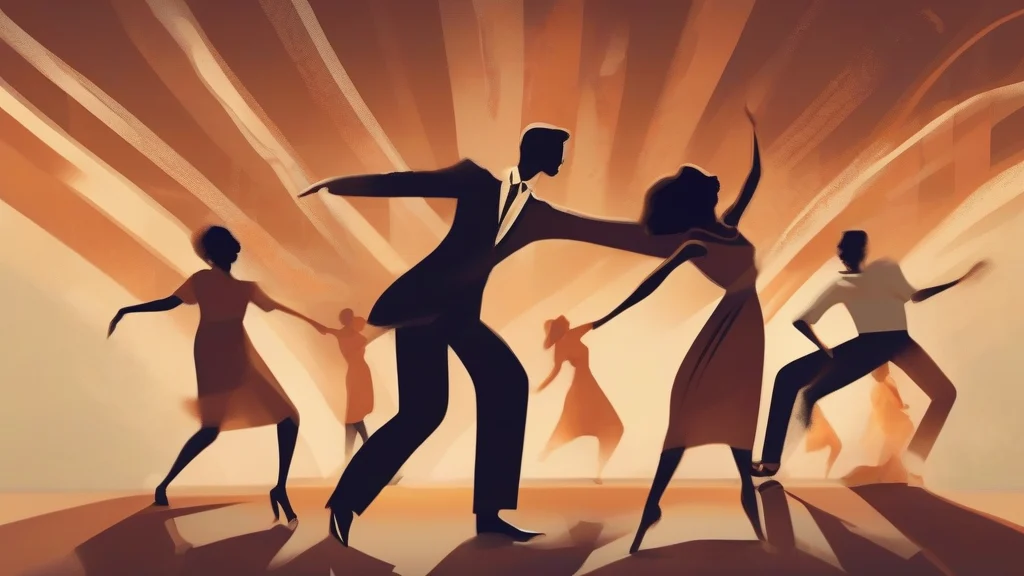
Jiving means dancing the jive, a lively partnered dance associated with swing and jazz music. In this sense, it is usually neutral: people jive at dances, weddings, or social events, often to energetic music. The word can also be used informally to mean deceiving someone or making a dishonest attempt to mislead them, as in a promise that turns out to be false. This second meaning is more confrontational and may imply that the speaker believes the other person is being evasive or insincere. Jive is also the source of related slang such as "jive talk," meaning talk that is intended to be impressive but may be vague or deceptive. Today, the dance remains its clearest and most enduring use.
verbTo dance to a jive, a lively swing-era dance. Informally, it can also mean to deceive someone or make a dishonest, glib statement.
- To dance the jive.
- Informally, to deceive someone or make a glib, dishonest statement.
"They spent the evening jiving to loud jazz in the crowded ballroom."
"They spent the evening jiving to loud jazz in the crowded ballroom."
"Stop jiving me and tell me what really happened."
Jive is a swing-era dance with a rhythm that refuses to sit still—and, by the 1960s, a slang word for talking nonsense.
Reviewed by Deb Chak, Editor. AI-assisted content curated by RJS Tech Solutions LLP.
Where does jiving come from?
The word comes from the American English term "jive," whose deeper origin is uncertain. It became established in the African American dance and music culture of the mid-20th century before gaining wider use as slang for deceptive or insubstantial talk. The present participle "jiving" follows the ordinary English pattern of adding "-ing" to the verb.
Related word forms
How jiving is actually used
The dance sense is generally neutral, while the deception sense is informal and may sound dismissive or rude. The expression "jive me" is especially associated with American English.