
What does char mean?
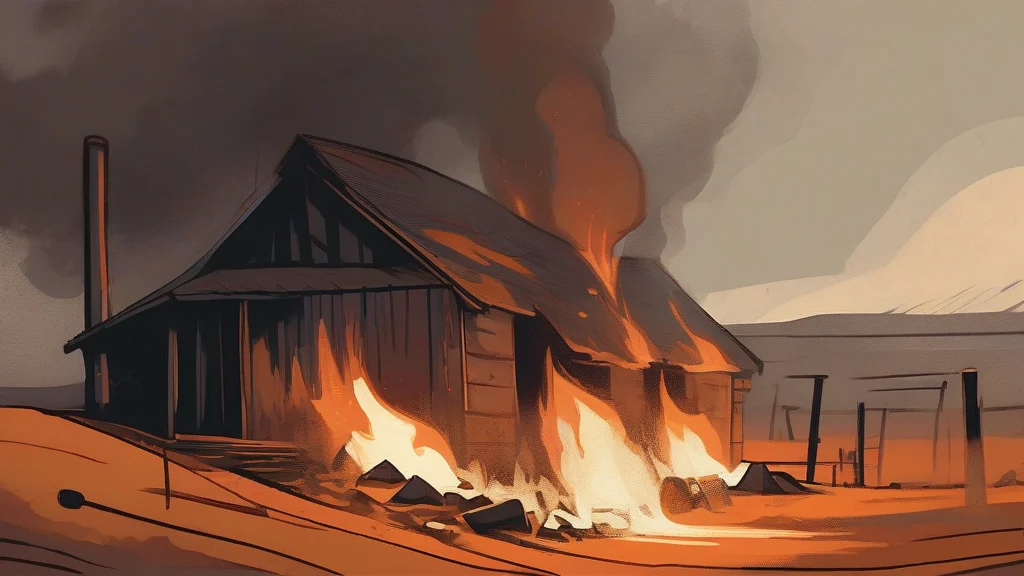
Char is most commonly used as a verb meaning to scorch or blacken the surface of something by exposing it to flame or intense heat, without necessarily consuming it entirely. In cooking, charring is often deliberate and prized: vegetables and meats may be lightly charred to develop a smoky flavour and appealing texture. Outside the kitchen, the same word describes fire damage, as when flames char the timbers of a house. The noun form can refer to burnt or partly burnt material. In British English, char has two additional informal meanings: a charwoman, that is, a woman hired to do domestic cleaning (a usage dating from the Victorian era), and, in even more casual slang, a simple cup of tea, derived from the Hindi word 'cha'. Separately, char names a cold-loving freshwater fish related to trout and salmon, found across northern latitudes. Context almost always makes the intended sense clear.
To scorch or blacken the surface of something by burning or exposure to great heat.
"Leave the aubergines under the grill until their skins blister and char."
Often used in cooking contexts where light charring is intentional and flavour-enhancing.
Material that has been partially burned or scorched; also (British, informal) a charwoman or a cup of tea; also a freshwater salmonid fish of cold northern waters.
"He swept the char from the fireplace before laying a new fire."
The plural applies chiefly to the fish sense ('Arctic chars') and occasionally to instances of burnt material; the informal British senses are usually uncountable or singular in use.
"The lake holds both brook trout and Arctic chars."
The same four letters can describe a perfectly grilled steak's crust, a cup of British tea, and a cold-water Arctic fish — context does all the work.
Reviewed by Deb Chak, Editor. AI-assisted content curated by RJS Tech Solutions LLP.
Etymology of char
The verb char meaning 'to scorch' emerged in English in the late 17th century, apparently as a variant or frequentative form connected to the word 'char' seen in 'charcoal', which itself derives from Old English 'ċeol' or related roots combined with 'ēowu'/'wudu' (wood) — charcoal literally being 'wood turned to coal'. This root ultimately connects to the Proto-Germanic ancestor of modern 'coal'. The unrelated British slang senses come from different sources: 'charwoman' derives from the Old English 'ċierran' (to turn, hence odd turns of work), while the tea sense comes from Hindi 'cha', borrowed from Chinese during the colonial era.
Related word forms
How char is actually used
As a verb, char typically appears with reference to food preparation (often desirable, as in char-grilled meat) or accidental fire damage (undesirable). The noun sense meaning 'cleaning lady' is chiefly British and somewhat dated, now often considered old-fashioned; the tea sense is very informal and chiefly British slang.
Easily confused with char
A chore is an ordinary routine task or job of work, whereas char means to scorch or blacken by burning.