
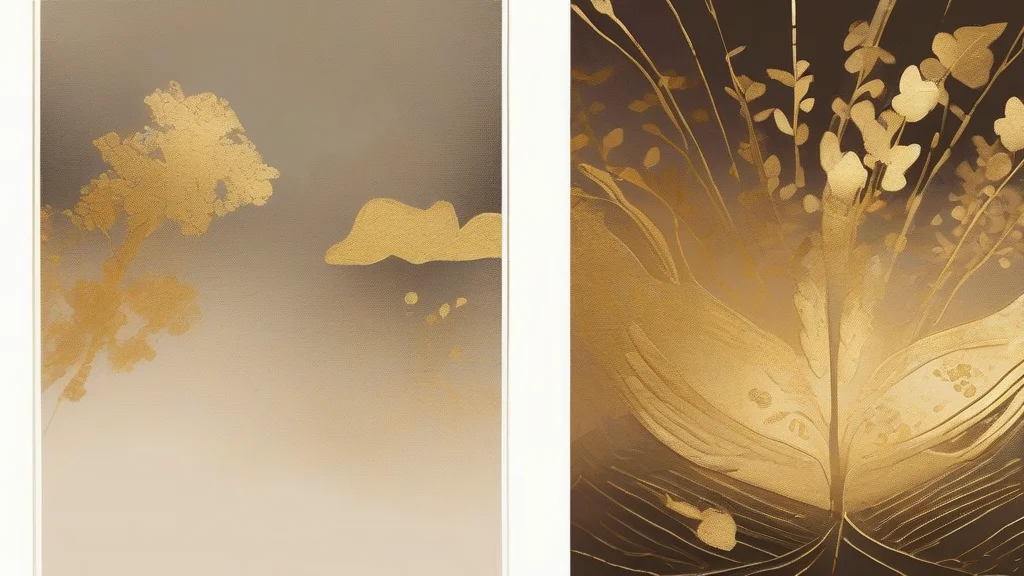
What does gilding mean?
Gilding is the decorative application of a very thin layer of gold, traditionally done with gold leaf, to objects such as furniture, frames, vessels, and architectural details. The resulting surface may be highly ornate, especially in historic decorative arts. The word also has a firmly established figurative meaning: gilding can describe a brilliant or luxurious display that conceals a less impressive reality beneath it. This use commonly carries a critical or disapproving tone, suggesting that the appearance is superficial or misleading. As the present participle of the verb gild, the word refers to the act of applying gold, as in “gilding the picture frame.” Gilding is especially useful in discussions of craftsmanship, material culture, and figurative language because it joins a precise physical process with a vivid metaphor for appearance and substance.
The process of applying a thin layer of gold to an object, or the decorative coating so produced. Figuratively, it means a showy or misleading display of wealth, luxury, or brilliance.
"Restorators carefully repaired the damaged gilding on the gilded frame."
Commonly used as a mass noun; figurative uses generally imply that the attractive appearance is deceptive or superficial.
The present participle of gild, meaning to cover or decorate an object with gold or gold leaf.
"She spent the afternoon gilding the picture frame."
This is a non-finite verb form of gild and is normally used with a direct object.
The plural is standard but less common than the singular or mass-noun use; it can refer to distinct applications or areas of decorative gold.
"The cabinet's intricate gildings were revealed when the doors were opened."
A gilded promise may sparkle like treasure, but gilding is the shine, not the substance.
Reviewed by Deb Chak, Editor. AI-assisted content curated by RJS Tech Solutions LLP.
Etymology of gilding
The English noun gilding developed as a verbal derivative of gild, formed with the suffix -ing. Gild comes from Old English gyldan, meaning “to cover with gold,” and ultimately from a Proto-Germanic root also represented by the English word gold. Related forms include gilt, gold, and golden, all reflecting that shared gold-bearing root.
How gilding is actually used
As a noun, gilding is often treated as an uncountable process or finish, although plural forms can refer to separate decorative applications. Its figurative use is generally critical, suggesting ostentation, deception, or excessive embellishment. As a verb form, it is normally transitive and takes the object being gilded.
Easily confused with gilding
Gilding usually names the process or decorative coating, whereas gilt can refer to the gold itself, the gilded surface, or the quality of being gilded.