
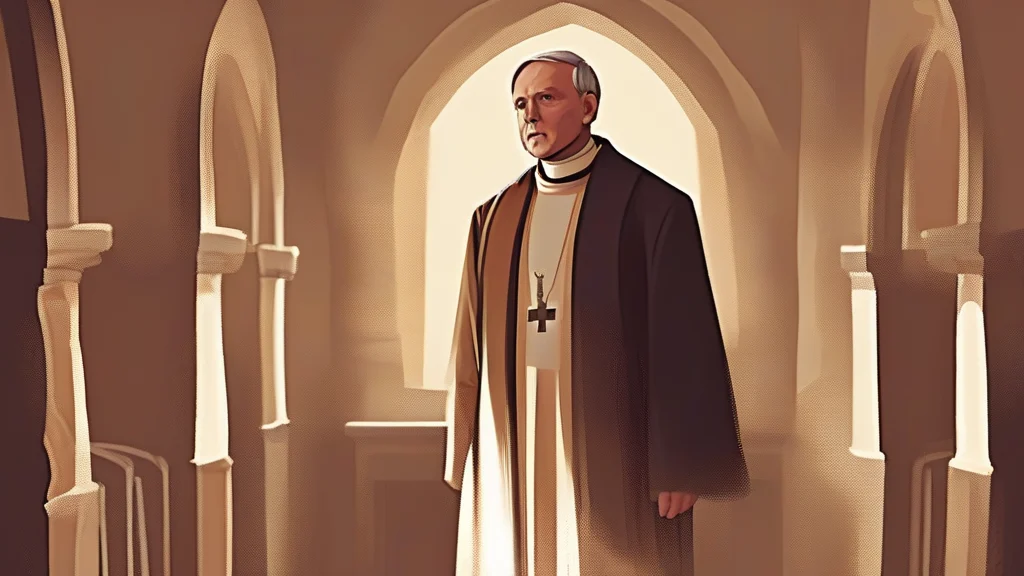
What does parson mean?
A parson is a member of the clergy, especially an Anglican priest who serves a parish. The term traditionally carries a rural or historical association, often suggesting a clergyman who is closely involved in the life of a local community. Although it can be used more broadly to mean a Protestant minister, its conventional meaning is narrower than “priest” and more specifically Anglican than “pastor.” The word appears in older literature, accounts of village life, and expressions such as “a country parson” and “a parson’s wife.” Its modern use may sound formal, old-fashioned, or mildly descriptive rather than neutral. Historically, the word meant simply a member of the clergy, but it gradually became particularly associated with parish clergy. Today it remains most natural in British English and in writing that evokes religious, rural, or historical settings.
nounA clergyman, especially an Anglican priest or minister with responsibility for a parish. The word can also refer more generally to a Protestant minister or member of the clergy.
- An Anglican priest or minister in charge of a parish.
- More generally, a Protestant minister or member of the clergy.
"The village parson knew every family in the parish and often visited them during difficult times."
"The parson conducted the service and introduced the new vicar to the congregation."
"In the eighteenth-century novel, the local parson is portrayed as learned, witty, and compassionate."
Used when referring to multiple clergy members or parish clergymen.
"Several parsons from neighboring parishes attended the meeting."
Once used broadly for any member of the clergy, “parson” became especially associated with the Anglican clergy of rural England.
Reviewed by Deb Chak, Editor. AI-assisted content curated by RJS Tech Solutions LLP.
Etymology of parson
The word entered Middle English through Anglo-French or Old French forms ultimately derived from Latin persona, meaning “person” or “mask.” Its earliest sense referred to a clergyman, because such a person was then described as a “person” in holy orders. Over time, the term became especially associated with Anglican parish clergy and developed the more specific modern sense of a parish clergyman.
Related word forms
How parson is actually used
The word is traditional and often slightly formal or literary. In contemporary British English it most often refers to an Anglican parish clergyman, while its broader sense survives mainly in historical and regional contexts.
Easily confused with parson
A pastor is generally a minister responsible for a congregation, especially in Protestant churches, while a parson traditionally denotes an Anglican or similar parish clergyman.
Priest is the broader term for a member of the clergy authorized to perform religious rites, whereas parson is more specific to a parish clergyman, especially in Anglican usage.